The Function of Aluminum Shop in Different Industries: Applications and Upkeep Insights
Aluminum factories are essential in numerous industries, giving durable and lightweight elements that considerably affect item efficiency. Their applications span from automotive engine obstructs to aerospace architectural components. However, the performance of these foundries relies greatly on rigid upkeep practices and the integration of innovative innovations. Comprehending these characteristics reveals an intricate interaction of development and custom, triggering further exploration right into the future trends shaping this critical market.
Review of Aluminum Foundries and Their Processes
Aluminum foundries play an essential role in the manufacturing field, concentrating on the spreading of light weight aluminum parts. These facilities employ different processes to transform raw aluminum right into finished products, starting with melting scrap or ingots in high-temperature heaters. As soon as melted, the aluminum is poured into mold and mildews, which can be made from metal, sand, or ceramic, relying on the wanted coating and application.
After cooling down, the cast parts go through additional processes such as trimming, machining, and surface ending up to meet visual requirements and certain resistances. aluminum metal casting. Quality assurance is critical; foundries apply strenuous testing methods to determine that the final products satisfy sector requirements
The flexibility of aluminum as a product allows for a wide range of parts and layouts, making factories essential for countless fields. Their proficiency in managing aluminum assurances that manufacturers obtain premium parts crucial for subsequent assembly and use.
Applications in the Automotive Market
While the automobile market increasingly seeks light-weight materials to improve gas performance and efficiency, light weight aluminum factories have come to be vital vendors of numerous components. These shops generate critical parts such as engine blocks, transmission real estates, and wheels, which add to lowered automobile weight and improved handling. The adaptability of aluminum permits for intricate geometries, making it ideal for detailed designs in both visual and structural applications.
Furthermore, light weight aluminum castings are preferred for their superb deterioration resistance and recyclability, straightening with the industry's sustainability goals. Using light weight aluminum in electrical lorries is likewise on the rise, as it supports effective battery layouts and thermal management systems. With continual advancements in casting innovations, light weight aluminum shops are geared up to meet the ever-evolving needs of the automobile industry, making sure that manufacturers can deliver high-performance lorries that satisfy customer expectations for performance and sustainability.
Aerospace Industry Application of Light Weight Aluminum Castings
The aerospace sector progressively relies on aluminum spreadings for a range of important applications, driven by the need for high-strength and lightweight products. Light weight aluminum castings play a crucial function in making parts such as engine mounts, brackets, and structural airframe components. The integral buildings of aluminum, consisting of outstanding deterioration resistance and tiredness strength, make it an excellent choice for aerospace applications, where performance and security are paramount.
Aluminum spreadings assist in detailed designs and geometries that can boost wind resistant efficiency. The capacity to create complicated forms while reducing weight is important in maximizing fuel effectiveness and total aircraft performance. Manufacturers use advanced casting techniques such as sand and pass away casting to achieve the called for accuracy and quality. In addition, the recyclability of aluminum lines up with the sector's sustainability goals, even more solidifying its significance in aerospace. As modern technology advancements, the usage of aluminum spreadings is expected to broaden, satisfying the progressing demands of the aerospace industry.
Construction Industry and Aluminum Foundries
In the building and construction field, aluminum factories play a considerable duty by giving materials that improve structural honesty and reduce general weight in building projects. Aluminum spreadings are preferred for their strength-to-weight ratio, making them optimal for numerous applications, consisting of home windows, doors, and structural components. The light-weight nature of aluminum not just helps with easier handling and transportation yet additionally adds to power performance in buildings.
Aluminum's resistance to deterioration guarantees durability and decreases maintenance costs, which is important for infrastructure tasks. Foundries produce custom parts tailored to details architectural designs, permitting for innovative building solutions. Additionally, advancements in aluminum alloy technology have actually broadened the variety of applications, allowing making use of light weight aluminum in high-stress atmospheres. By sustaining lasting building techniques, aluminum foundries add to the general performance and toughness of building and construction tasks, making them indispensable partners in the sector.
Durable Goods and Home Applications
Aluminum foundries substantially add to the customer items field by creating a variety of household products that combine capability with aesthetic appeal. From kitchenware to home style, aluminum acts as a flexible product, making certain products are both lightweight and resilient. Popular products consist of kitchenware, such as frying pans and pots, which gain from light weight aluminum's superb thermal conductivity, making food preparation extra effective.
Furthermore, aluminum's rust resistance boosts the long life of family items, minimizing the need for regular substitutes. Attractive elements, such as light weight aluminum photo frames and light fixtures, display the metal's capacity to be formed into elaborate designs while keeping a modern aesthetic.
In addition, the eco-friendly nature of aluminum, being recyclable, aligns with customer choices for sustainable products. Aluminum factories play a crucial function in fulfilling the varied demands of households, giving crucial goods that boost day-to-day living while attending to environmental worries.
Maintenance Best Practices for Casting Equipment
Efficient maintenance of casting devices is necessary for peak performance and long life. Routine equipment evaluations, correct lubrication and cleansing, and complete driver training programs are important components of an effective upkeep method. Applying these ideal techniques can significantly decrease downtime and boost general production performance in light weight aluminum foundries.
Regular Devices Evaluations
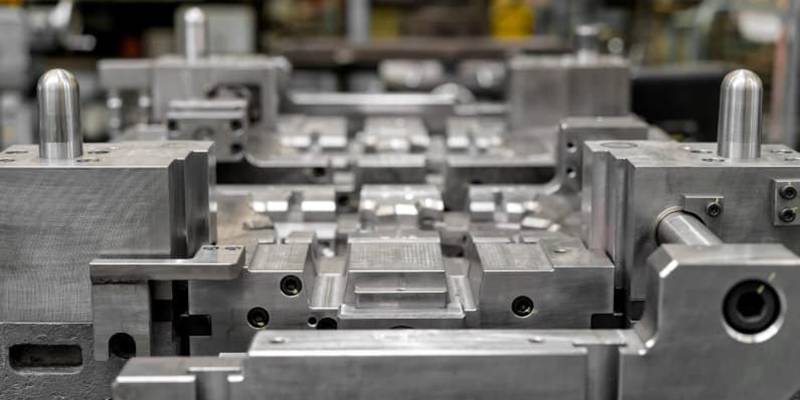
Regular devices assessments play a crucial function in keeping the efficiency and safety and security of casting operations. These examinations involve an organized examination of equipment to determine wear, damage, or potential failings before they escalate into costly break downs. By sticking to a regular examination routine, shops can ascertain that all casting equipment runs at peak efficiency, thereby lessening downtime and maximizing efficiency. Assessments should include vital elements such as molds, heaters, and cooling systems, enabling the timely replacement or fixing of components. Furthermore, paperwork of evaluation findings is crucial for tracking devices background and educating future upkeep decisions. Eventually, regular examinations add considerably to the durability of devices and the total success of light weight aluminum shop operations.
Lubrication and Cleaning up
Correct lubrication and cleansing are necessary components of maintenance practices for casting equipment in factories. Routine lubrication minimizes damage on equipment, making sure that elements run efficiently and successfully. It is essential to use the ideal lubricants specified by suppliers, as various tools may Related Site require different substances to operate at peak efficiency.
Cleaning equipment removes pollutants and debris that can hinder operations and result in flaws in spreadings. Arranged cleansing regimens ought to be developed to protect against buildup and extend tools life. On top of that, drivers must follow security procedures while dealing with cleaning agents to keep a risk-free working atmosphere. By focusing on lubrication and cleansing, factories can boost the dependability and efficiency of their casting equipment, eventually adding to enhanced production top quality.
Driver Training Programs
While maintaining casting tools is important for ideal performance, substantial driver training programs play a considerable duty in ensuring that workers are well-equipped to take care of upkeep tasks successfully. These programs must concentrate on the certain functional facets of aluminum foundry devices, consisting of safety and security protocols, troubleshooting strategies, and regular upkeep procedures. By offering hands-on training and substantial academic understanding, operators can develop a deeper understanding of devices functionality and prospective issues. Routine evaluations and correspondence course can boost ability retention and adjust to technical improvements. Inevitably, purchasing driver training not only improves general production effectiveness however additionally reduces downtime, bring about improved security and prolonged tools life expectancy in the aluminum shop market.
Future Fads in Light Weight Aluminum Foundry Applications
The future of light weight aluminum factory applications is positioned for makeover with sophisticated casting innovations that improve effectiveness and precision. Additionally, lasting production techniques are getting grip, mirroring an expanding commitment to ecological responsibility within the industry. Furthermore, the assimilation of Sector 4.0 principles is readied to revolutionize procedures, making it possible for smarter manufacturing processes and real-time information usage.
Advanced Casting Technologies
Developments in advanced spreading modern technologies are positioned to reinvent light weight aluminum foundry applications, driving effectiveness and precision in the production process. Techniques such as 3D printing and progressed die-casting are gaining grip, making it possible for the production of complicated geometries that traditional methods struggle to accomplish. Additionally, the combination of automation and AI in the spreading process boosts quality assurance and reduces product waste. These modern technologies facilitate rapid prototyping, enabling quicker design models and minimized time-to-market. Innovations in mold materials and cooling systems boost thermal monitoring, ensuring consistent part top quality. As markets demand lighter, stronger elements, these innovative spreading modern technologies are becoming vital in fields such as vehicle, aerospace, and electronics, placing aluminum factories at the forefront of advancement.

Sustainable Manufacturing Practices
Advanced casting modern technologies not just improve effectiveness and precision yet additionally pave the way for sustainable production techniques in light weight aluminum foundries. These techniques concentrate on reducing waste, energy consumption, and emissions throughout the manufacturing process. The adoption of recycled light weight aluminum is increasingly prioritized, lessening the need for main metal extraction and lowering the environmental footprint. Furthermore, advancements in mold and mildew products and cooling techniques add to power financial savings and faster production cycles. Carrying out closed-loop water supply better sustains sustainability by reducing water usage and avoiding air pollution. As foundries embrace these green approaches, they not just follow policies however likewise satisfy the expanding demand for sustainable items across numerous markets, enhancing their dedication to environmental stewardship.
Sector 4.0 Assimilation
As light weight aluminum shops significantly embrace Market 4.0 integration, they are leveraging wise modern technologies to enhance production procedures and enhance functional performance. The fostering of IoT tools allows real-time monitoring of equipment and manufacturing metrics, assisting in anticipating upkeep and decreasing downtime. Advanced information analytics aluminum metal casting and synthetic intelligence permit boosted decision-making, causing a lot more specific spreading and reduced waste. Robotics and automation streamline recurring jobs, boosting labor efficiency. In addition, digital twins enable online simulations of shop operations, aiding in procedure optimization and style renovations. This combination not only enhances performance but also sustains sustainability initiatives by lessening power usage and source use, positioning aluminum foundries to satisfy the advancing demands visit the website of numerous markets in a competitive market landscape.
Regularly Asked Questions
What Are the Environmental Impacts of Light Weight Aluminum Foundries?
Light weight aluminum foundries add to environmental influences via greenhouse gas exhausts, power usage, and waste generation. Furthermore, they may pose risks of air and water contamination, requiring reliable management practices to mitigate these negative impacts.
How Do Light Weight Aluminum Foundries Ensure Product Quality?
Light weight aluminum shops ensure product high quality via strenuous quality assurance actions, consisting of material inspections, specific temperature surveillance, and adherence to industry standards. Continual training of employees and implementation of advanced innovations better enhance the uniformity of their output.
What Safety Measures Remain In Location in Aluminum Foundries?
Light weight aluminum foundries execute security actions including protective equipment for employees, emergency situation action strategies, air flow systems to minimize fumes, normal security training, and adherence to industry regulations to guarantee a safe workplace and stop crashes.
Just How Do Foundries Take Care Of Waste and Recycling?
Shops manage waste and recycling by carrying out systems for gathering scrap light weight aluminum, reusing materials, and sticking to environmental guidelines. They prioritize lowering waste via effective procedures and buying modern technology for reliable recycling initiatives.
What Certifications Are Appropriate for Aluminum Foundries?
Pertinent qualifications for aluminum shops include ISO 9001 for high quality management, ISO 14001 for ecological administration, and AS9100 for aerospace requirements. These accreditations assure compliance, enhance top quality control, and promote lasting methods within the factory operations.
Light weight aluminum shops play a vital function in the production industry, specializing in the casting of aluminum components. While the automotive market significantly seeks light-weight materials to enhance gas performance and efficiency, light weight aluminum foundries have actually become important distributors of different components. Furthermore, developments in aluminum alloy modern technology have actually increased the array of applications, making it possible for the usage of aluminum in high-stress atmospheres. The future of light weight aluminum foundry applications is poised for improvement via sophisticated casting modern technologies that boost effectiveness and accuracy. As aluminum foundries significantly embrace Sector 4.0 integration, they are leveraging wise technologies to optimize manufacturing procedures and enhance functional efficiency.